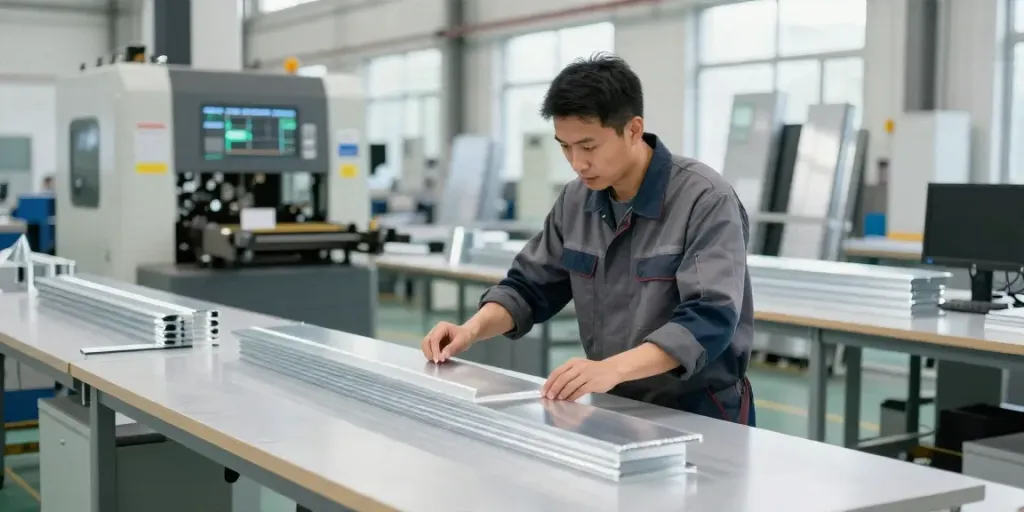
Understanding 5083 H321 Aluminum Alloy: Key Properties
The 5083 H321 aluminum alloy is highly regarded in various industries for its strength and durability. As one of the most popular choices within the 5000 series aluminum alloys, this material exhibits exceptional properties that make it ideal for marine applications, automotive manufacturing, and other demanding environments. In this article, we delve into the composition and characteristics of this alloy, its mechanical strengths compared to others, and its resistance to corrosive elements, providing a comprehensive understanding for local manufacturers and consumers. When exploring options, 5083 H321 aluminum properties can offer extensive insights into the benefits and applications of this versatile material.
Composition and Characteristics of 5083 H321 Aluminum
The 5083 H321 aluminum alloy primarily consists of magnesium (around 4.5%), with chromium (0.15%) as a key alloying element. This composition contributes to its exceptional strength when compared to other aluminum alloys. The alloy's strong resistance to shear and tensile stresses also plays a crucial role in its suitability for structural applications. Notably, the H321 temper indicates that the alloy has been treated to achieve specific mechanical properties, enhancing its performance in demanding conditions.
Mechanical Strength Compared to Other Aluminum Alloys
When evaluating mechanical properties, the 5083 H321 alloy stands out for its high yield strength, which typically ranges around 285 to 305 MPa. For comparison, many standard aluminum alloys, such as 6061, offer lower yield strengths, making 5083 an excellent choice for applications requiring robust materials. The exceptional tensile strength and elongation properties also ensure that it can withstand considerable deformation without failure, a key factor in industries such as shipbuilding and construction.
Corrosion Resistance and Durability
The 5083 H321 aluminum's composition provides outstanding resistance to corrosion, particularly in marine environments. Its magnesium content allows it to resist oxidation effectively, making it a preferred option for components exposed to seawater and other aggressive environments. This corrosion resistance, combined with high durability, ensures that structures made from this alloy can maintain integrity and functionality over time, reducing the need for frequent maintenance or replacement.
Benefits of Using 5083 H321 in Local Manufacturing Services
Applications in Various Industries
This aluminum alloy finds extensive applications across multiple sectors. In the maritime industry, 5083 H321 is frequently used in the construction of ships, boats, and offshore structures due to its enhanced strength and corrosion resistance. Additionally, it is employed in automotive manufacturing, where lightweight yet durable materials are crucial for improving fuel efficiency without sacrificing safety. Industries focused on heavy machinery and construction also leverage 5083 for components that must withstand rigorous conditions.
Cost-Effectiveness for Local Projects
While the initial investment for high-grade aluminum like 5083 H321 may be higher than for some other materials, its long-term cost-effectiveness is evident through its durability and low maintenance needs. Local projects often benefit from reduced downtime and fewer repairs, which can translate to savings over the lifespan of the installed components. Furthermore, its excellent strength-to-weight ratio can lead to lower transportation and handling costs during manufacturing and assembly.
How 5083 H321 Enhances Project Reliability
Choosing 5083 H321 for local manufacturing projects enhances reliability, as it conforms to strict industry standards for safety and performance. Its consistent properties mean that manufacturers can predict the behavior of this material under stress, leading to more reliable construction methods and improved project timelines. The enhanced durability also ensures that installations can perform effectively under various environmental conditions.
Choosing the Right Aluminum Provider in Your Area
Factors to Consider When Selecting a Local Manufacturer
When looking for a local aluminum supplier, it’s essential to consider several factors to ensure quality and reliability. Look for manufacturers that are licensed, bonded, and insured, as these credentials can provide peace of mind about the quality of the materials and services provided. Additionally, assess their experience with specific types of aluminum alloys, particularly 5083 H321, and inquire about their capacity to supply customized sizes and forms.
Importance of Certifications and Quality Standards
Certifications such as ISO 14001:2004 for environmental management and OHSAS 18001:2007 for health and safety standards are critical indicators of a manufacturer’s commitment to quality. When evaluating potential suppliers, ask for evidence of these certifications, as well as any relevant industry awards or recognitions. Manufacturers that comply with these standards can offer greater assurance of product consistency and quality.
Customer Testimonials and Feedback
Reviews and testimonials from previous customers can provide valuable insights into a manufacturer’s reliability and product quality. Look for feedback on their responsiveness, delivery timelines, and the performance of the products supplied. Engaging with previous customers directly or checking online reviews can help paint a clearer picture of what to expect from a local aluminum supplier.
Pricing and Cost Breakdown for 5083 H321 Aluminum
Understanding Pricing Factors for Local Supply
Various factors influence the pricing of 5083 H321 aluminum, including market demand, sourcing locations, and the specific processes involved in production. Prices can also vary based on the customization of sizes and forms required by a project. Understanding these factors can help in budgeting and negotiating with suppliers.
Comparative Cost Analysis with Other Alloys
When comparing the cost of 5083 H321 aluminum to other alloys such as 6061 or 5052, it is essential to factor in not only the initial price but also the total cost of ownership. The long-term benefits of using a durable and corrosion-resistant alloy like 5083 H321 may outweigh the upfront costs, especially in applications where performance and longevity are pivotal.
Long-Term Value vs. Short-Term Savings
While opting for lower-cost materials might be tempting, the long-term value must always be considered. Using 5083 H321 aluminum may involve a higher initial expense, but its durability can lead to significant savings in repairs, replacements, and maintenance over time. Investing in quality materials is critical for ensuring project reliability and performance.
FAQs about 5083 H321 Aluminum Properties and Local Supply
What is the typical yield strength of 5083 H321?
The typical yield strength of 5083 H321 aluminum generally falls between 285 to 305 MPa, making it one of the strongest non-heat treatable alloys available.
Are there specific applications where 5083 H321 excels?
Yes, this alloy is particularly suitable for marine environments, automotive applications, and industries requiring robust structural components due to its corrosion resistance and high strength.
How do I ensure I’m purchasing quality aluminum?
To ensure you are purchasing quality aluminum, look for reputable suppliers who provide certifications, detailed product specifications, and positive customer feedback. Request samples if necessary to assess the material’s properties before making a bulk purchase.